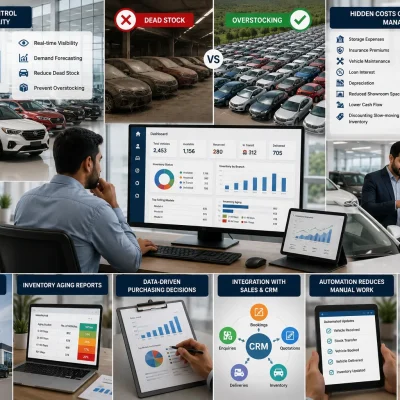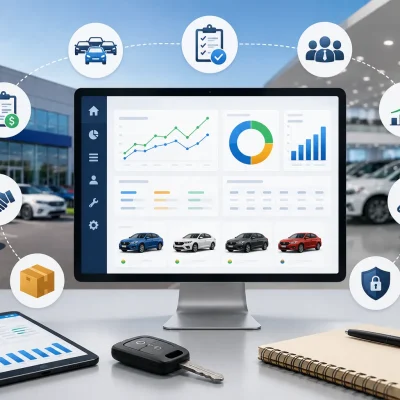
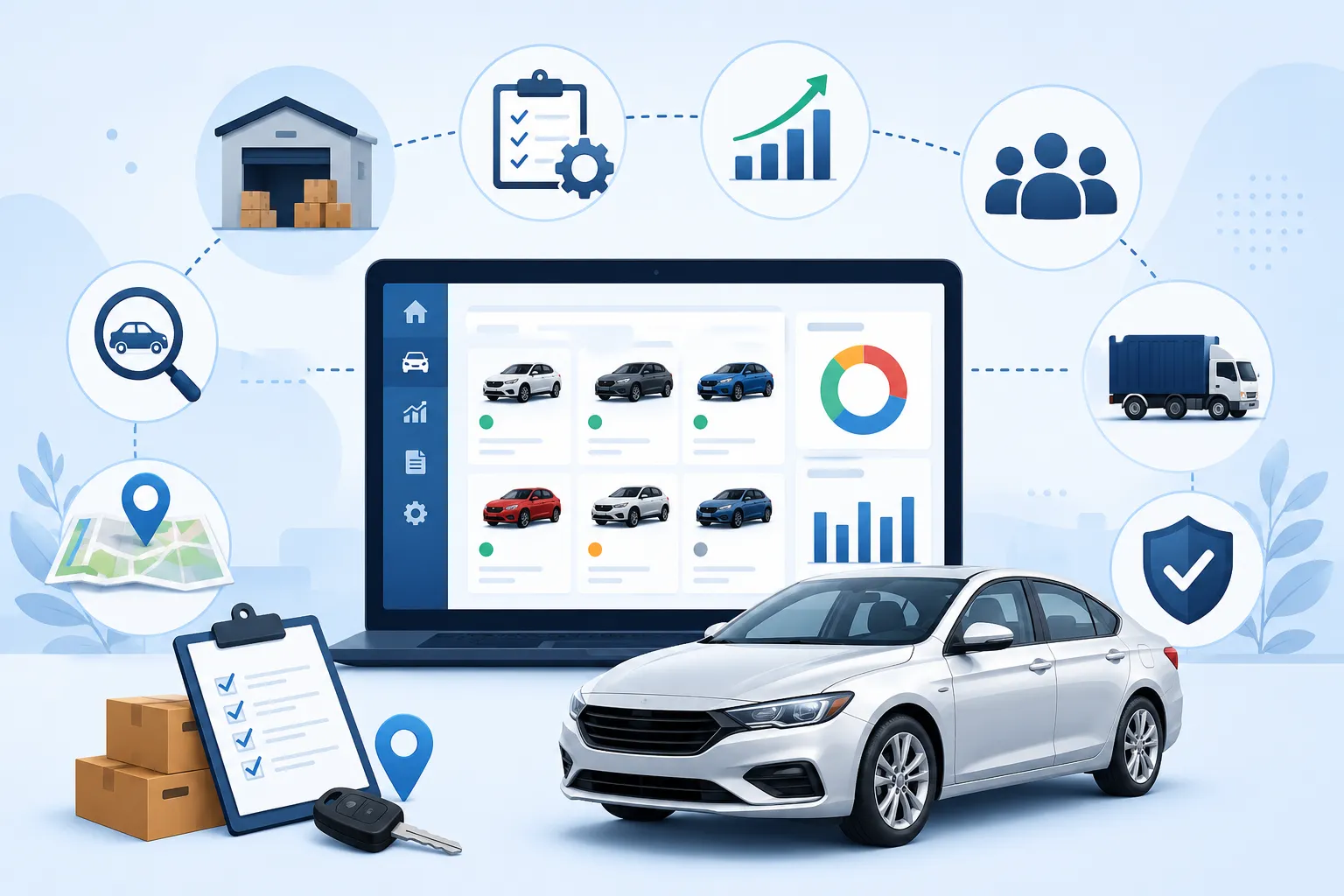
Managing inventory is one of the biggest responsibilities for any car dealership. Every vehicle represents a significant investment, and even small inventory mistakes can lead to lost sales, unhappy customers, and unnecessary expenses. As dealerships grow, managing hundreds of vehicles across multiple locations becomes even more challenging.
Many dealerships still rely on spreadsheets or disconnected tools to monitor inventory. While these methods may seem manageable initially, they often result in duplicate records, inaccurate stock counts, delayed updates, and poor coordination between departments.
This is where vehicle inventory management software makes a difference. A modern solution gives dealerships complete visibility into their inventory, automates routine tasks, and helps teams make faster and more informed decisions.
Let’s explore the twelve most common inventory management challenges dealerships face and how technology can solve them.
1. No Real-Time Inventory Visibility
One of the biggest problems dealerships face is not knowing the exact status of every vehicle. Sales executives may promise a vehicle to a customer only to discover that it has already been booked, transferred, or sold.
Without real-time visibility, dealerships struggle to provide accurate information and often lose customer confidence.
Using vehicle inventory management software ensures inventory is updated instantly whenever a vehicle is received, booked, transferred, or delivered. This allows every department to work with accurate information.
2. Overstocking and Understocking
Keeping too much inventory increases storage costs and locks valuable capital in unsold vehicles. Keeping too little inventory results in missed sales opportunities when popular models are unavailable.
Modern automobile inventory management software analyzes sales trends and inventory movement, helping dealerships maintain the right stock levels while reducing unnecessary carrying costs.
3. Manual Inventory Updates
Many dealerships still depend on Excel sheets or manual registers to update inventory. This process consumes time and increases the chances of human error.
Common issues include duplicate records, incorrect stock counts, delayed updates, and missing vehicle details.
A centralized dealer inventory management system automates inventory updates, reducing manual work while improving accuracy.
4. Difficulty Tracking Vehicle Movement
Vehicles move between warehouses, showrooms, service centers, and customers throughout their lifecycle. Tracking these movements manually is difficult and often leads to misplaced inventory.
A reliable vehicle inventory tracking software records every vehicle movement, making it easy to locate vehicles and maintain complete inventory history.
5. Managing Inventory Across Multiple Branches
Multi-location dealerships often struggle to balance inventory between branches. One showroom may have excess stock while another faces shortages.
A cloud-based dealership inventory management software provides centralized inventory visibility across all locations, allowing managers to transfer stock where it is needed most.
6. Slow Vehicle Allocation
Manual vehicle allocation delays bookings and deliveries because employees need to verify stock availability before confirming sales.
A smart vehicle stock management software automatically allocates available vehicles based on inventory status, branch location, and customer requirements, helping dealerships speed up the sales process.
7. Poor Demand Forecasting
Many dealerships continue ordering vehicles based on assumptions instead of actual market demand. This often results in aging inventory or frequent stock shortages.
Modern automotive inventory management solutions use historical sales data, seasonal trends, and inventory reports to improve purchasing decisions. Better forecasting helps dealerships maintain healthy inventory levels while reducing unnecessary investments.
8. Poor Coordination Between Departments
Inventory, sales, finance, and service teams often work on separate systems. This creates communication gaps, duplicate work, and inconsistent reports.
A modern car dealership inventory management software connects inventory with CRM, accounting, finance, and service operations. Every department works from the same data, improving collaboration and reducing errors.
9. Limited Reporting and Business Insights
Without detailed reports, dealership owners find it difficult to identify slow-moving inventory, top-selling models, or branch performance.
Advanced automotive inventory software provides dashboards, inventory aging reports, stock movement reports, and sales analytics that support faster and more informed business decisions.
10. High Inventory Carrying Costs
Unsold vehicles increase insurance costs, financing charges, storage expenses, and maintenance costs. Aging inventory also reduces profitability.
Using inventory software for automobile dealers, dealerships can identify slow-moving vehicles early and take corrective action through promotions, transfers, or revised purchasing strategies.
11. Compliance and Vehicle Documentation Challenges
Every vehicle comes with important information such as VIN numbers, chassis numbers, registration documents, invoices, and delivery records. Managing these documents manually increases the risk of errors and delays.
Modern auto inventory management software stores vehicle information digitally, making documentation easier to access while reducing paperwork and improving compliance.
12. Poor Customer Experience
Customers expect dealerships to provide instant information about vehicle availability. Incorrect inventory records often lead to delivery delays, canceled bookings, and disappointed buyers.
Accurate inventory management for car dealerships ensures sales teams always have updated stock information, helping them provide faster responses and a smoother buying experience.
How DealerSetu Helps Dealerships Manage Inventory
DealerSetu is a comprehensive vehicle inventory management software built specifically for automobile dealerships. It helps businesses manage inventory, sales, CRM, finance, service, and reporting from a single platform.
With real-time inventory tracking, multi-branch visibility, automated workflows, and intelligent reporting, DealerSetu helps dealerships reduce manual work, improve inventory accuracy, and deliver a better customer experience.
Conclusion
Inventory management is much more than keeping track of vehicles. It directly affects customer satisfaction, profitability, and business growth. Manual processes and disconnected systems make it difficult to maintain accurate inventory, especially as dealerships expand.
Investing in the right vehicle inventory management software allows dealerships to automate stock management, improve visibility, reduce operational costs, and make smarter business decisions. Whether you manage a single showroom or multiple branches, adopting a modern inventory management solution can give your dealership a significant competitive advantage.
Frequently Asked Questions
1. What is vehicle inventory management software?
Vehicle inventory management software helps dealerships track, manage, and monitor vehicle stock in real time while reducing manual work and improving inventory accuracy.
2. Why is inventory management important for car dealerships?
Effective inventory management helps reduce carrying costs, prevent stock shortages, improve customer satisfaction, and increase profitability.
3. How does automobile inventory management software improve dealership operations?
It automates stock updates, tracks vehicle movement, generates reports, and provides real-time inventory visibility across departments.
4. Can inventory management software support multiple dealership branches?
Yes. Most modern dealership inventory management software allows centralized inventory tracking across multiple locations.
5. What features should vehicle inventory management software include?
Key features include real-time inventory tracking, VIN management, stock transfers, reporting dashboards, CRM integration, accounting integration, and multi-branch support.
6. What is vehicle inventory tracking software?
Vehicle inventory tracking software records every stage of a vehicle’s journey, from arrival at the dealership to final customer delivery.
7. How does inventory software reduce manual work?
It automates inventory updates, generates reports, tracks vehicle movement, and eliminates the need for spreadsheets.
8. Is cloud-based inventory software secure?
Yes. Cloud-based solutions provide secure data storage, user access controls, automatic backups, and remote accessibility.
9. Can inventory software integrate with dealership CRM and accounting systems?
Yes. Modern solutions integrate inventory with CRM, sales, accounting, finance, and service departments for seamless operations.
10. How do I choose the best vehicle inventory management software?
Look for software that offers real-time inventory tracking, automation, reporting, multi-branch support, easy integration, scalability, and dedicated customer support. Solutions like DealerSetu are designed specifically to meet the operational needs of modern automobile dealerships.