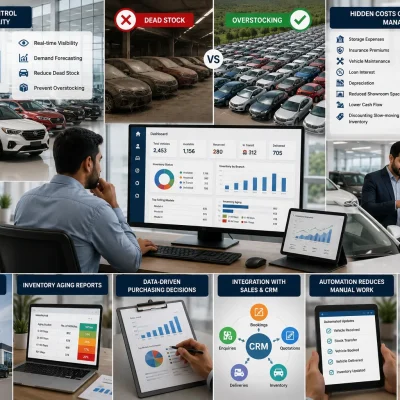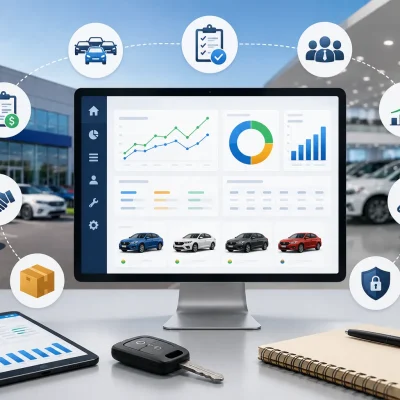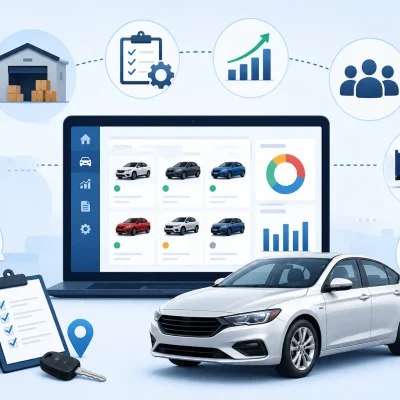
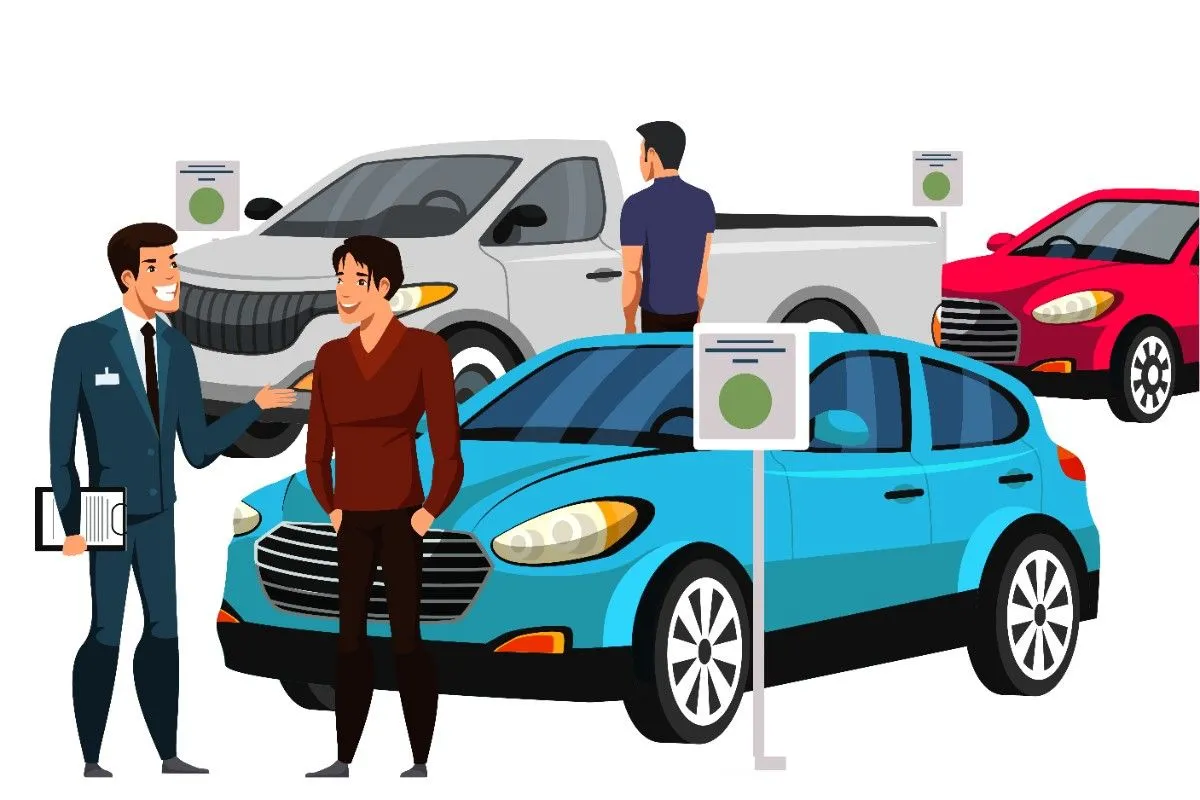
A dealer management system is no longer a luxury—it is a business necessity. The Indian automotive retail landscape is in the middle of a fundamental shift. Dealerships that continue to rely on fragmented spreadsheets and legacy systems are losing ground to competitors who have embraced digitised operations. For automotive dealers across India, choosing the right DMS is one of the most critical decisions for sustainable growth.
Let us examine what makes a great DMS and which platforms deserve serious consideration in 2026.
Understanding Dealer Management Software and Its Importance in India
Dealer management software is a centralised platform that connects and automates core dealership functions. It brings together vehicle sales, service operations, spare parts inventory, customer relationship management, accounting, and reporting into one unified system.
For Indian dealerships, the value extends beyond basic operational efficiency. A well-implemented DMS helps you navigate the complexities of India’s business environment—GST compliance, multi-location operations, regional customer preferences, and manufacturer reporting requirements.
The dealer management system market in India is experiencing strong growth. Rising digital adoption, increasing vehicle sales, and a shift from traditional paperwork to automation are driving this expansion. Cloud-based platforms are gaining particular traction, delivering flexibility, scalability, and remote accessibility that benefit small and mid-size dealerships in Tier 2 and Tier 3 cities.
Key Features to Look for in Dealer Management Software
Before evaluating specific vendors, it is essential to understand what a modern DMS should offer. Your platform must address the complete dealership lifecycle.
Sales Management and Lead Tracking
The system should capture every enquiry—whether from your showroom, phone calls, website, or third-party portals. It should automatically assign leads to sales representatives, track follow-up activities, and provide visibility into your sales pipeline. Real-time reporting on conversion rates and sales performance helps you identify bottlenecks and coaching opportunities.
Service Operations Management
This is often the most heavily used module in a dealership. Key capabilities include service appointment booking, digital vehicle check-in, job card creation, skill-based technician assignment, live job tracking, and digital estimate approvals. A paperless service workflow improves efficiency, reduces errors, and enhances customer satisfaction through faster turnaround times.
Spare Parts and Inventory Control
Efficient inventory management is critical for profitability. Your DMS should handle parts procurement, stock tracking, supplier management, and automated reordering. Barcode support for physical inventory management helps reduce losses from shrinkage or expiry.
CRM and Customer Engagement
A built-in customer relationship management module should maintain a 360-degree view of each customer—including vehicle history, service records, preferences, and communication history. Automated service reminders, birthday greetings, and targeted promotional offers help build long-term relationships and drive repeat business. Features like WhatsApp and SMS integration are increasingly important for Indian customers who prefer communication on mobile platforms.
Accounting, GST Compliance, and Finance
The system must handle invoicing, purchase orders, expense tracking, and taxation. GST readiness is non-negotiable. Integration with financing and insurance processes streamlines vehicle purchase and loan processing for your customers.
Reporting and Analytics
Access to real-time dashboards and detailed reports is essential for data-driven decision-making. Look for platforms that offer customisable reports across sales, service, parts, finance, and overall business performance.
Mobile Accessibility
With smartphones becoming ubiquitous in India, your sales and service teams need access to critical information on the go. Mobile-first DMS interfaces allow staff to manage bookings, update job status, and communicate with customers from anywhere. Some platforms offer dedicated mobile apps for dealer personnel.
Regional Language Support
To drive adoption across diverse geographies, particularly in non-English speaking regions, some DMS providers offer multilingual interfaces. This is a significant advantage for dealerships in Tier 2 and Tier 3 cities, reducing training time and improving user engagement.
Evaluating the Best Dealer Management Software Options in India
India’s DMS market includes global platforms, OEM-aligned systems, and India-focused vendors built around local dealership needs. The best choice depends on your dealership size, brand requirements, integration needs, and budget.
Indian-Made Innovation
Recent developments highlight the strength of homegrown solutions. Mercedes-Benz India launched SKYLine, a bespoke DMS developed entirely in India over two years in partnership with Zoho. SKYLine digitises the entire service lifecycle across the company’s nationwide dealership network .
SKYLine operates on a decentralised architecture where each Mercedes-Benz dealership runs its own dedicated Zoho CRM instance, providing dealership autonomy while maintaining compliance with centrally defined standards. The system integrates seamlessly with Mercedes-Benz’s global systems. The rollout involved over 5,000 man-days of user acceptance testing and 3,000 man-days of training, ensuring smooth adoption.
This partnership reflects the growing sophistication of Indian technology providers in creating enterprise-grade solutions for complex dealership operations.
Enterprise-Grade Global Platforms
For larger dealer groups with multi-location operations and complex reporting requirements, established global platforms remain strong contenders.
CDK Global is widely used by large automotive dealer networks and OEM-aligned networks. Its strengths include structured sales and service workflows, warranty management, and enterprise reporting. Implementation costs and localisation requirements should be carefully assessed for Indian operations.
SAP Automotive Dealer Management is preferred by dealer groups requiring deep integration with finance, procurement, and enterprise business intelligence systems. It is best suited where the dealership is part of a larger group with complex compliance expectations. Implementation cost and user adoption are the main considerations.
Tekion offers a modern, cloud-native automotive retail platform focused on digital workflows and real-time data. It connects online enquiries, showroom processes, service appointments, and reporting in one environment. Indian dealers should evaluate OEM availability and local accounting integration before selecting.
India-Focused Solutions
A range of vendors has built solutions specifically for Indian dealership requirements.
Autosoft DMS is a commonly evaluated option for automotive retail businesses needing an integrated platform covering vehicle sales, service, spares, accounts, CRM, and reporting. It is suited to growing dealer groups seeking stronger control over enquiries, bookings, and repair orders.
Zoho-based DMS solutions are attractive for small and mid-sized dealers due to their flexibility and lower cost. Businesses can begin with lead management, billing, and stock tracking, then add features like dashboards, WhatsApp integration, and finance modules later. The support quality depends heavily on the implementation partner.
Marg ERP is widely recognised in India for inventory, billing, accounting, and GST workflows. While it may not replace a full-featured enterprise DMS, it serves well for spare parts distributors and smaller dealer operations needing strong billing and stock control.
Solutions for the Modern Dealer
AutoFacets delivers an integrated platform tailored to the evolving needs of Indian automotive dealerships. Its unified system supports everything from inventory oversight to sales performance tracking and financial operations. Advanced analytics dashboards provide real-time visibility into vehicle stock, enabling dealers to identify bottlenecks. The platform ensures full GST compliance through automated invoicing and multilayered tax logic .
Excellon Software provides cloud-based DMS solutions with AI-powered analytics. The platform supports multi-location operations and offers seamless integrations with ERP and third-party systems. Its cloud-first architecture enables mobile access and scalable functionality .
CarDekho Used Car Dealer App provides a one-stop solution specifically for used car dealers. Features include buying and selling used cars, stock management, lead management, and selling inventory on CarDekho’s marketplace with access to millions of monthly visitors. Ather Energy has also built a Dealer Management Solution on the Salesforce Platform, integrating lead management, CRM, and DMS into a single scalable platform for its growing EV dealership network.
DealerSetu offers a modern, integrated platform designed to streamline dealership operations for the Indian market. With a strong focus on CRM, sales automation, and inventory management, DealerSetu helps dealerships improve lead conversion, enhance customer relationships, and drive operational efficiency—all at a competitive price point.
Comparison of Leading DMS Platforms in India
| Platform | Core Strengths | Distinct Features | Regulatory Focus |
|---|---|---|---|
| DealerSetu | CRM-driven sales, inventory, billing | Integrated CRM, lead management, service scheduling | GST compliance, operational efficiency |
| AutoBooom | Real time inventory, billing | GST-ready invoicing, automated service scheduling | GST billing, accuracy |
| DealerSocket | CRM-driven sales analytics | Multi-location support, customer reminders | Data protection, GST |
| Reynolds & Reynolds | Workflow, accounting integration | Automated compliance, robust financial controls | GST, state tax |
| AutoFacets | Integrated analytics, compliance | Unified DMS, intelligent scheduling | GST compliance, tax logic |
| Excellon Software | Cloud-based architecture, AI analytics | Mobile access, scalable multi-location support | Automated compliance, operational efficiency |
What to Consider Before Choosing Your Dealer Management Software
Dealership Size and Vehicle Segment
A single-location two-wheeler dealer has different needs than a multi-brand passenger vehicle group or a commercial vehicle fleet operator. A DMS that works well for one may be excessive or insufficient for another. Platforms like DealerSetu offer modular solutions that can scale with your business.
OEM Integration Requirements
If you are an authorised dealer, integration with your manufacturer’s systems is critical for warranty claims, reporting, and compliance. Enterprise platforms like CDK Global and SAP often have stronger OEM integration capabilities. Some OEMs develop bespoke DMS platforms specifically aligned with their dealership network requirements.
Mobile and Cloud Priorities
Evaluate whether the DMS offers a cloud-based deployment model. Cloud platforms reduce IT overhead, enable remote access, and allow easier scalability. Determine if the system provides mobile accessibility for your field teams and customers. Modern solutions like DealerSetu are built cloud-first for Indian dealerships.
Total Cost of Ownership
Look beyond the initial license fee. Consider implementation costs, data migration effort, training requirements, ongoing support fees, and the cost of customisations. A platform that is cheaper upfront may become more expensive over time due to poor support or limited functionality.
Implementation and Support Quality
The best DMS fails if the implementation is poor. Ask vendors about their implementation timelines, data migration scope, training hours, escalation matrix, local partner availability, and post-go-live support. A strong vendor should demonstrate live workflows for enquiry-to-delivery and service booking-to-invoice rather than just generic screens.
Future Trends in Indian Dealer Management Systems
The DMS landscape continues to evolve rapidly. Several trends are worth watching:
AI-Powered Predictive Analytics is being integrated into DMS platforms. These systems analyse customer behaviour, seasonality, and geographic trends to help dealers make informed decisions about sales forecasts, service scheduling, and stock optimisation.
EV-Specific Features are becoming essential. As India’s EV market grows, DMS platforms are adding modules for battery diagnostics, EV maintenance schedules, and charging infrastructure management.
Omni-Channel Retail is expanding. DMS platforms now integrate offline dealerships with online sales portals, allowing customers to start their interaction online and complete it at the store—or vice versa.
Government Compliance Modules are being integrated to help dealers comply with GST filing, FASTag management, and vehicle registration automation.
Frequently Asked Questions
What does DMS stand for in the automotive dealership context?
DMS stands for Dealer Management System. It is a software platform that manages the complete operations of an automotive dealership, including sales, service, inventory, accounting, and customer relationships.
How much does dealer management software cost in India?
Costs vary widely based on dealership size, features required, and deployment model. Small dealerships may find affordable options starting from a few thousand rupees per month, while large dealer groups with enterprise platforms can invest significantly more. DealerSetu offers transparent, competitive pricing tailored for Indian dealerships—contact their team for a custom quote.
Is cloud-based DMS better than on-premise for Indian dealers?
Cloud-based DMS platforms are increasingly preferred in India due to their lower upfront costs, easier scalability, remote accessibility, and reduced IT infrastructure requirements. This is especially valuable for dealerships in Tier 2 and Tier 3 cities where IT resources may be limited.
Can a DMS integrate with my existing accounting software?
Yes. Most modern DMS platforms offer integration capabilities with popular accounting software. However, the depth of integration varies. Some platforms have accounting modules built-in, while others offer API-based integration with third-party accounting tools.
Is dealer management software relevant for used car dealerships?
Absolutely. Used car dealerships face unique challenges in inventory valuation, vehicle refurbishment tracking, and multichannel sales. Specialised platforms provide valuation tools, refurbishment tracking, and marketplace integration specifically for the used vehicle segment.
How long does DMS implementation take?
Implementation timelines depend on dealership size, data migration requirements, and customisation needs. Small dealerships with standard requirements may go live in a few weeks, while large dealer groups with complex integrations may require several months. Ask vendors for realistic timelines and ensure adequate training is included.
What DMS features are essential for two-wheeler dealerships?
Two-wheeler dealerships often require fast billing, spare parts inventory management, GST compliance, and customer follow-up capabilities through platforms like WhatsApp. Some DMS providers offer specialised platforms focused on two-wheeler dealership operations with tailored workflows.
Will a DMS help me sell more vehicles?
A DMS helps increase sales indirectly through improved lead management, faster response times, better customer relationship tracking, and data-driven decision making. By automating routine tasks, it frees your sales team to focus on building relationships and closing deals.
Still have questions? Get in touch with DealerSetu’s experts for a personalised consultation.
Making Your Decision
The best dealer management software for your dealership depends on your unique business requirements. Here is a quick way to approach the decision:
-
Audit your current operations. Identify your biggest inefficiencies and pain points.
-
Define your must-have features. Separate requirements from nice-to-haves.
-
Create a shortlist based on your dealership size, vehicle segment, and budget.
-
Request demonstrations from the shortlisted vendors. Focus on seeing live workflows for your core processes—not just product pitches.
-
Speak to existing customers of the vendors you are considering.
-
Evaluate the total cost of ownership, not just the initial price.
-
Consider the vendor’s support capabilities in your region.
A well-chosen DMS is a strategic investment that delivers returns through improved operational efficiency, better customer experiences, and data-driven decision making. Platforms like DealerSetu offer modern, affordable, and India-specific solutions designed to help dealerships of all sizes thrive.
Ready to transform your dealership operations? Explore how DealerSetu can help you sell more, service better, and grow faster. Start your free consultation today.